
The Rapture Argument
Book of RevelationThis flow traces how Shorey assembles biblical passages into his case for a mid-tribulation rapture.
increasing Bearing strength in each event
 decreasing
Bearing strength in each eventdecreasingDaniel’s Seventieth Week

Daniel’s Seventieth Week
A prophetic framework
Shorey interprets Daniel’s seventy weeks as including one remaining week of years after the earlier sixty-nine weeks.
He reads the final week as a seven-year period associated with the Antichrist and the Great Tribulation.
Two halves
He sees the period as comprising two distinct stretches of three and a half years.
This framework supplies the timeline on which he places the rapture and the wrath that follows.
War against the Saints
War against the Saints
Limited authority
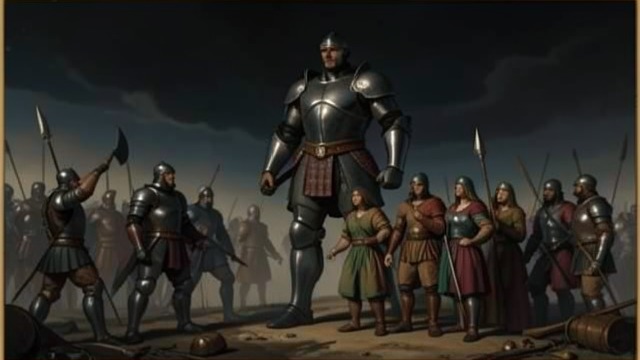
Shorey emphasizes Revelation’s statement that the Beast receives authority for forty-two months.
He interprets this as the period in which the Antichrist wages war against the saints, rather than the whole span of his activity.
The hoped-for deliverance
Daniel’s account of distress followed by deliverance becomes a central support for his reading.
Shorey identifies that deliverance with the resurrection and gathering of believers.
The Sixth Seal Signs
The Sixth Seal Signs
Cosmic disturbance
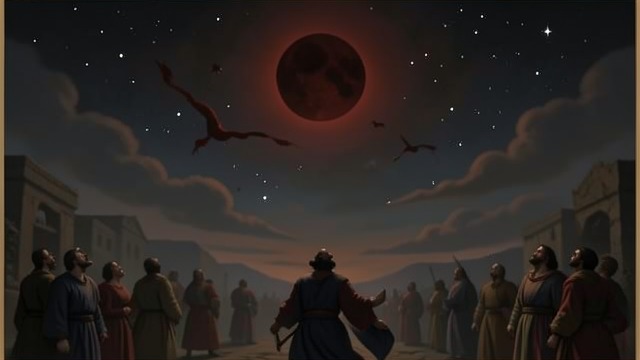
Shorey connects the darkened sun, blood-red moon, and falling stars of the sixth seal with similar signs in Matthew and Joel.
He treats these signs as a warning that the Day of the Lord and the gathering of believers are near.
Opposed reactions
Believers, in his interpretation, recognize the signs as the approach of deliverance.
The unrepentant instead hide from the coming wrath, making the same moment a crisis of sharply divided response.
The Multitude Appears
The Multitude Appears
A sudden arrival
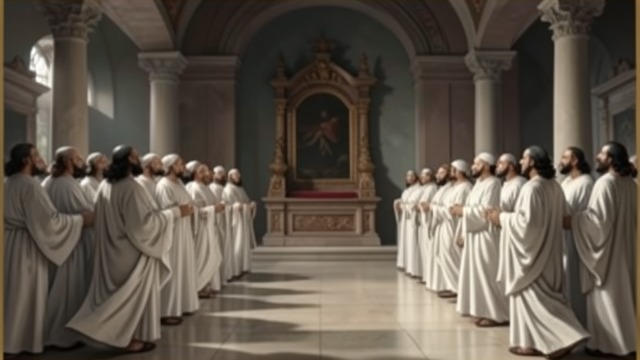
Shorey reads the innumerable multitude in white robes as people who have come out of the Great Tribulation and reached the heavenly throne.
He interprets the elder’s question about their identity as evidence that this group has just appeared.
A proposed rapture scene
The multitude’s robes and heavenly setting become central to his identification of the passage with the rapture.
He also compares it with the wedding imagery elsewhere in Revelation.
Silence before Wrath
Silence before Wrath
Heaven falls quiet
Shorey interprets the half-hour silence after the seventh seal as the awe-filled arrival of the gathered saints.
He imagines the heavenly court silent before the moment that follows.
A transition to judgment
The silence gives way, in his reading, to the preparation of the Seven Trumpets.
This sequence lets him place the rapture before the concentrated outpouring of the wrath of God.
In Shorey’s explanation of the seven-year period
During the first half of Shorey’s seven-year timeline
Near the end of the first three and a half years
Between the sixth and seventh seals in Shorey’s sequence
At the opening of the seventh seal
